The Impact of Traditional Footwear on Our Feet
For years, we've been conditioned to believe that shoes should provide padding and support, offering cushioning for every step. While this may seem like a protective measure, it can hinder your foot's natural functionality. Modern shoes, particularly those with thick soles, narrow toe boxes, and excessive arch support, have been found to contribute to a variety of foot problems. The feet are an incredibly intricate part of the body, comprising 26 bones, 33 joints, and over 100 muscles, tendons, and ligaments. They were designed for mobility and adaptability, evolving to handle various terrains and activities. When we wear traditional shoes that stifle these natural movements, we risk weakening our feet. The added padding reduces our foot muscles' work with each step, while the confined toe boxes squish our toes together, limiting natural splay and increasing pressure on the forefoot. This can lead to issues such as bunions, hammertoes, plantar fasciitis, and even knee and hip pain, as the misalignment in the feet impacts the rest of the body.
The Solution? Barefoot Footwear
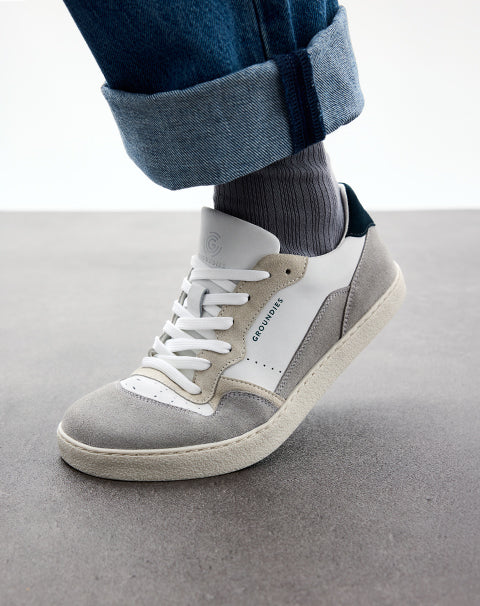
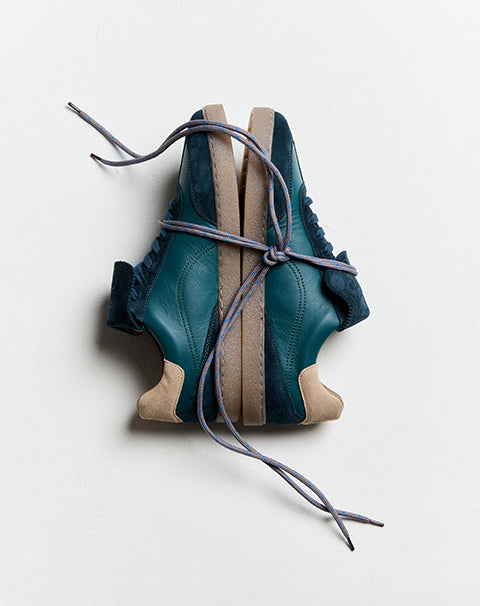
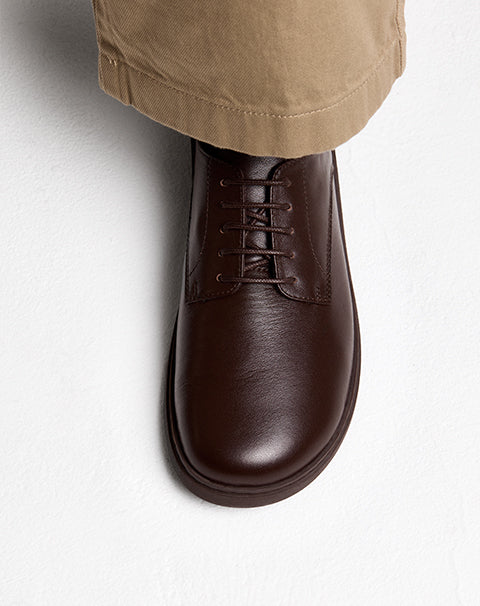
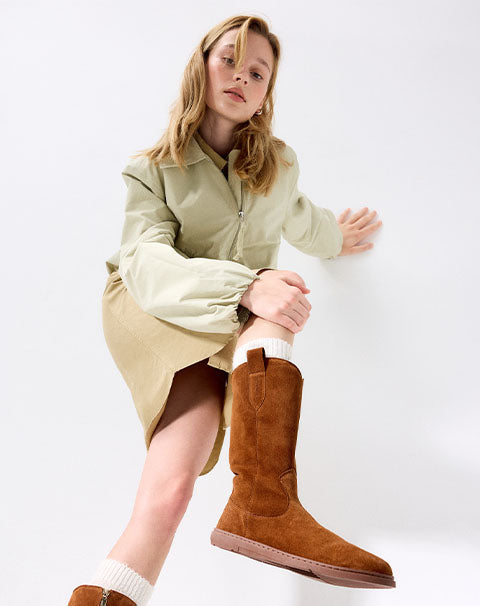
Barefoot shoes, or minimalist or natural footwear, are designed with one primary goal: to allow your feet to function as they were intended. These shoes feature a few key characteristics that set them apart from conventional footwear: a wide toe box, a thin, flexible sole, and little to no cushioning.
The Key Features of Barefoot Footwear
1. Wide Toe Box: Unlike traditional shoes, which often taper toward the toe, barefoot shoes provide ample space for your toes to spread naturally. This promotes proper alignment, reduces pressure on the toes, and allows the foot to move in its full range of motion.
2. Thin, Flexible Soles: Barefoot shoes feature thin soles that provide minimal interference with the natural movement of the feet. This thinness allows you to feel the ground beneath you, which helps improve balance, coordination, and proprioception (the sense of the relative position of your body parts). The flexibility of the sole encourages a more natural walking pattern, helping to build strength in the muscles and tendons of your feet and ankles.
3. Zero Drop and Neutral Footbed: Many barefoot shoes are designed with a zero drop (meaning the heel and toe are level), promoting a more natural gait. The neutral footbed encourages proper foot mechanics, aligning the foot in its natural position to prevent strain or injury.
The Benefits of Barefoot Footwear
1. Stronger Feet
When you wear barefoot shoes, your feet are forced to work harder. The minimal padding and lack of rigid structures activate muscles in the feet and lower legs that would otherwise be underused in conventional shoes. Over time, this strengthens the muscles, ligaments, and tendons in the feet and ankles, improving foot strength and stability.
2. Improved Balance and Posture
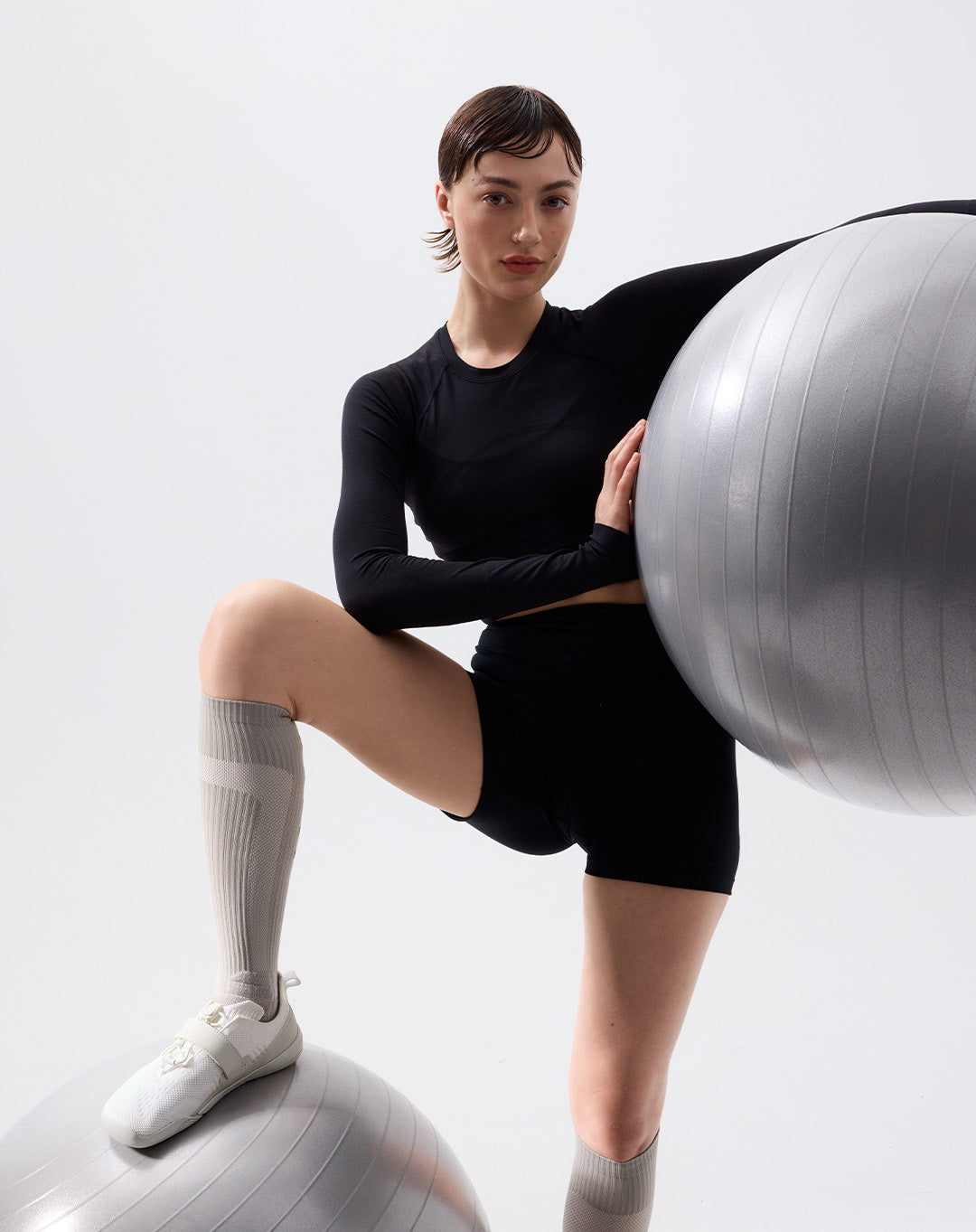
Barefoot shoes allow for a wider stance by letting your toes splay naturally. This enhances balance and stability, as a wider base provides better support. The sensory feedback from the thin soles also helps improve total body awareness. As a result, you'll notice an improvement in your posture and overall movement efficiency. By encouraging a more natural walking and standing posture, barefoot footwear can also help alleviate strain on the knees, hips, and lower back.
3. Enhanced Sensory Experience
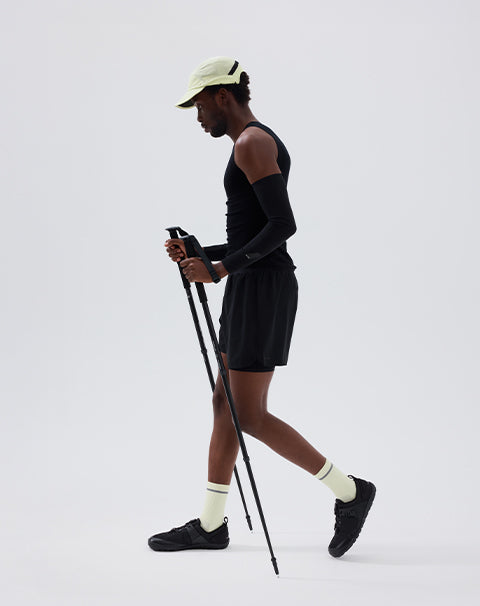
One of the most distinct advantages of barefoot footwear is the ability to feel the ground beneath you. This sensory connection helps your body react more quickly to its environment, improving agility and overall coordination. For athletes, this heightened sensitivity can translate to better performance. For everyday movement, it simply feels more natural and grounding.
4. Reduced Risk of Injury
Barefoot footwear allows for a more natural, stable, and balanced gait, significantly reducing the risk of falls and other injuries caused by improper movement. The wider toe box helps to align the foot and prevents unnecessary compression, reducing the likelihood of common foot problems such as bunions and plantar fasciitis. Additionally, by strengthening the muscles in your feet and lower legs, barefoot shoes help prevent injuries that result from weak or underdeveloped muscles.
5. Improved Foot Health
Barefoot shoes promote better overall foot health by giving your feet room to breathe and move freely. Traditional footwear often locks your feet into a restrictive shape, causing long-term issues that can take years to reverse. In contrast, barefoot shoes support the foot's natural form and encourage healthy circulation, improved muscle function, and better alignment.
Transitioning to Barefoot Footwear: A Gradual Process
While the benefits of barefoot footwear are clear, transitioning from traditional shoes to barefoot shoes can be challenging. Your feet and body may need time to adjust to the new way of walking. It's important to start slowly—gradually increasing your time in barefoot shoes and allowing your muscles to adapt to the new movement patterns. It's normal to experience some discomfort initially, but these challenges will subside as your feet grow stronger.
Barefoot living isn't just about shoes; it's a holistic approach to health and movement. By embracing barefoot footwear, you reconnect with your body's natural design and encourage more conscious, mindful movement. The barefoot lifestyle is grounded in the idea that less is more—less padding, less restriction, and less interference with your body's natural function. The result? A healthier, more balanced life.